You've probably Googled something today. Somewhere in those results, a paid ad showed up before the organic listings. That's Search Engine Marketing at work, and if you're running a business, it might be one of the smartest tools you're not fully using.
This guide covers what SEM actually is, the real benefits of search engine marketing, its drawbacks, and how to decide whether it makes sense for your business.
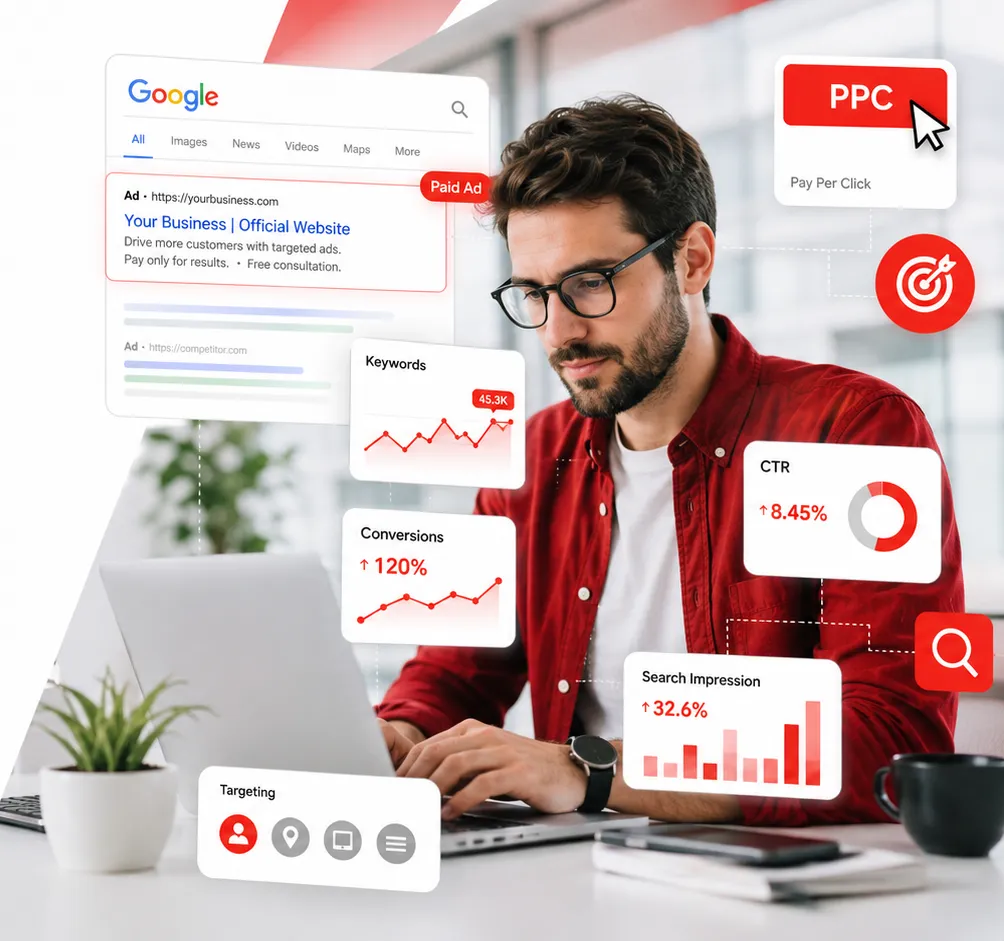
Search Engine Marketing (SEM) is a form of digital marketing that promotes websites by increasing their visibility in search engine results pages (SERPs) primarily through paid advertising.
When someone searches “best skin clinic near me” or “hair transplant clinic in Pune” and clicks on a sponsored result, that’s SEM. Healthcare businesses bid on keywords through platforms like Google Ads so their ads appear for relevant searches. The business pays only when someone clicks on the ad, which is known as Pay-Per-Click (PPC).
SEM puts your business in front of people actively looking for what you offer. That's intent-based marketing, which makes it unusually powerful.
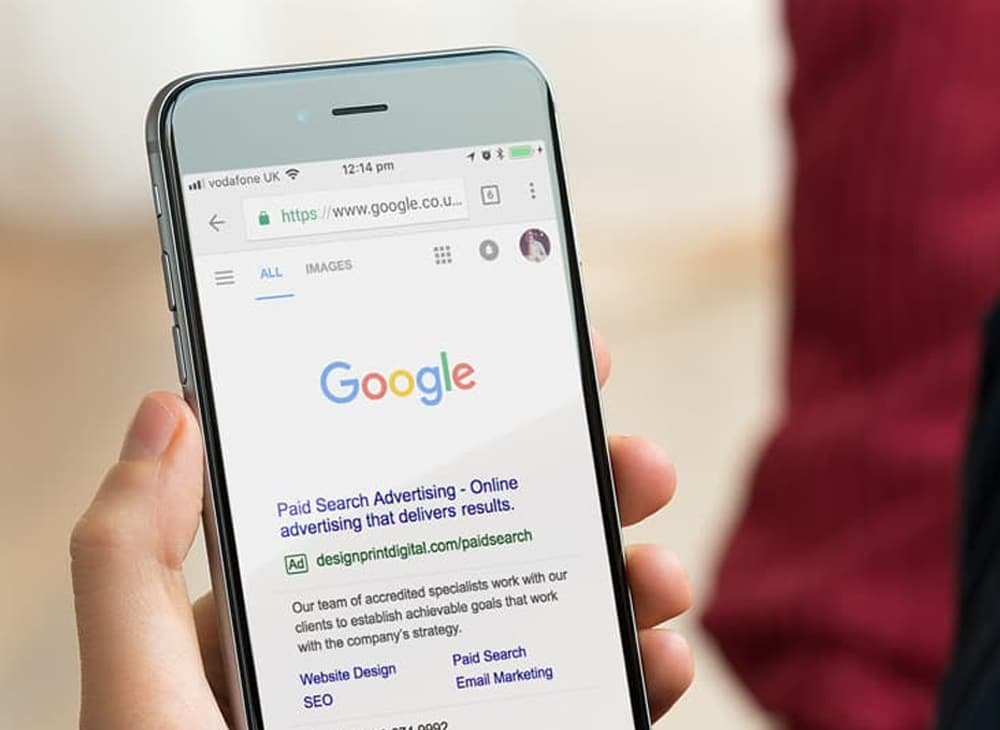
Understanding the types of search engine marketing helps you pick the right approach for your goals.
The most common form. Text-based ads appear at the top of Google or Bing results pages. You bid on keywords and pay per click. Fast to set up, easy to measure.
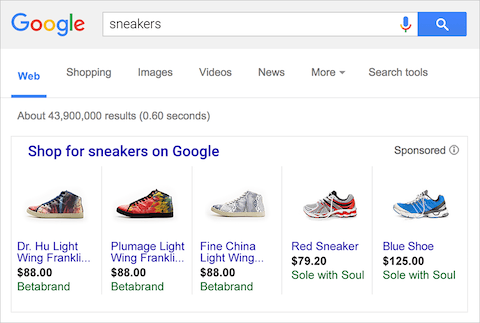
Visual product listings that appear for commercial searches. If you run an e-commerce store, these show your product image, price, and store name directly in search results.
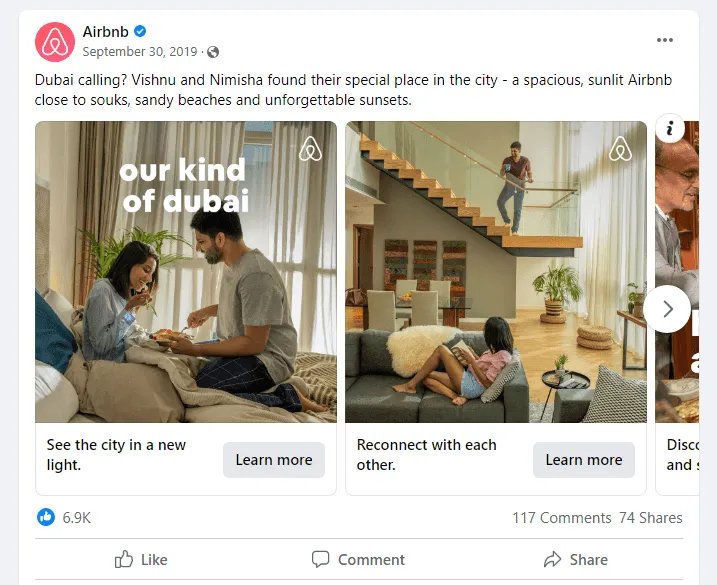
Image or banner ads served across Google's Display Network. Better for brand awareness than direct conversion, but powerful with retargeting.
Ads shown to users who've already visited your website. These convert at higher rates because the audience already knows you.
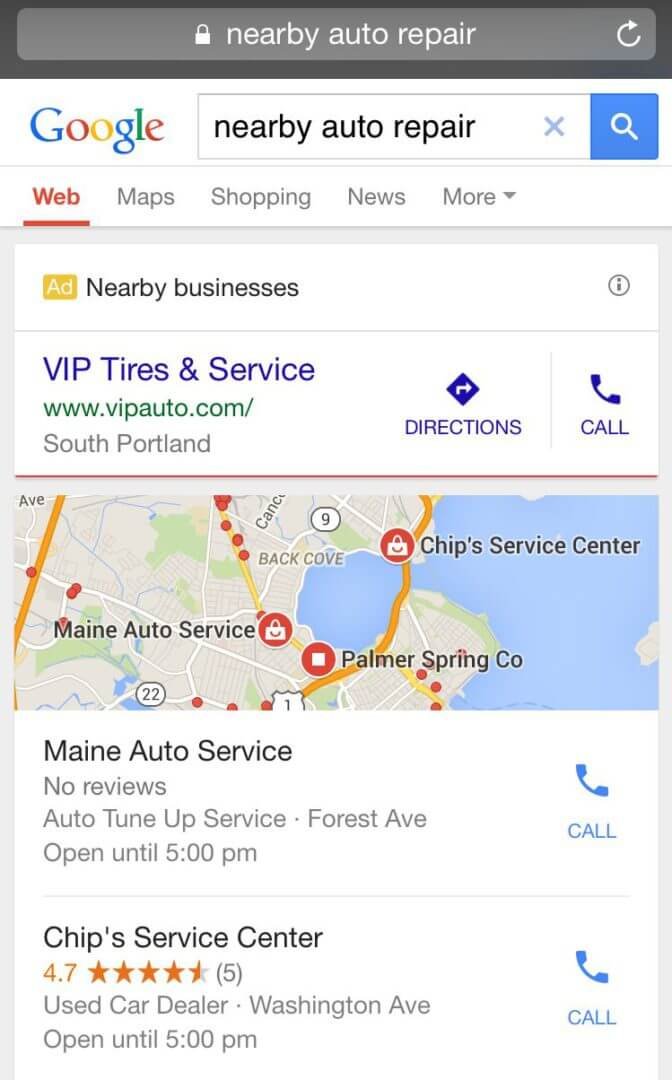
Appear in Google Maps and local results. Ideal for brick-and-mortar businesses capturing nearby customers.
Each type serves a different stage of the customer journey. Smart SEM strategies often layer several of these together.
Build high-converting Search Engine Marketing campaigns that put your business in front of customers exactly when they're searching for your products or services.
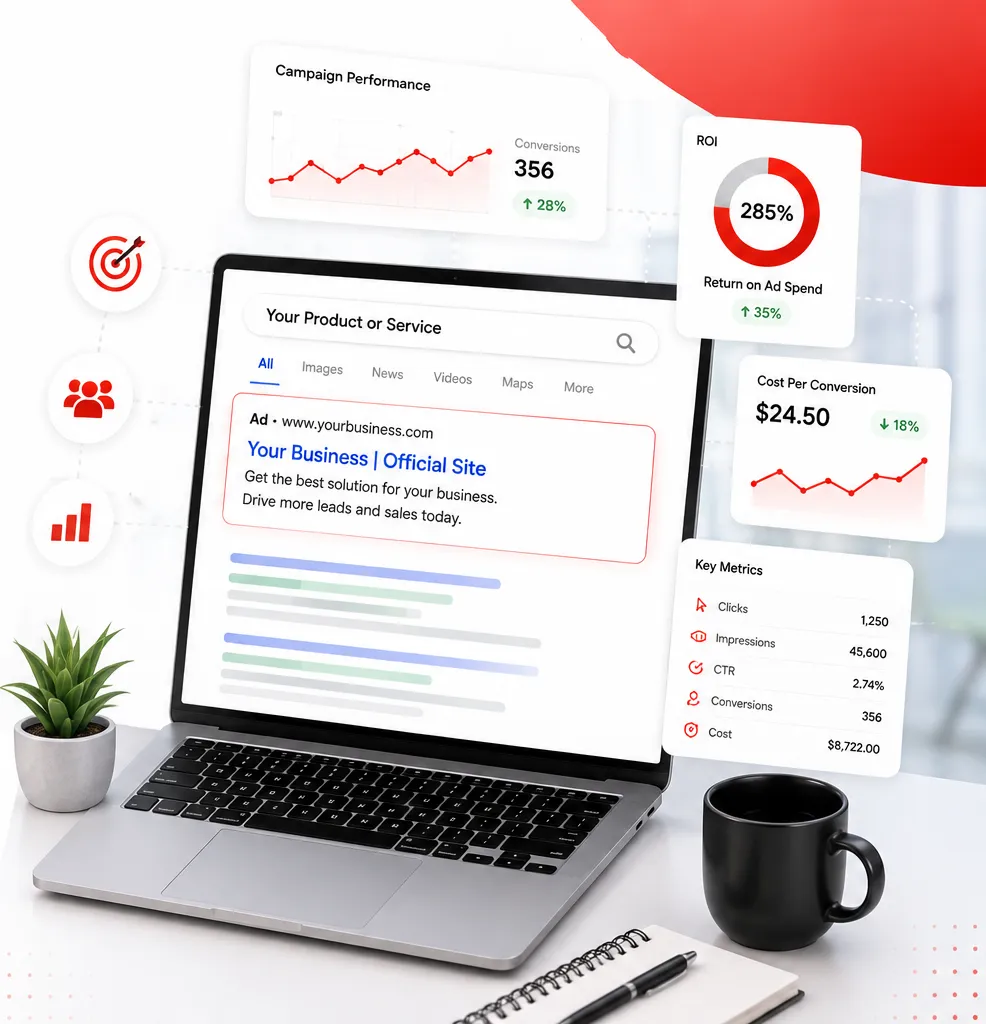
The benefits of search engine marketing are hard to ignore, especially when speed matters.
A Brand Make can help you extract maximum value from these advantages by managing campaigns with the right strategy from day one.
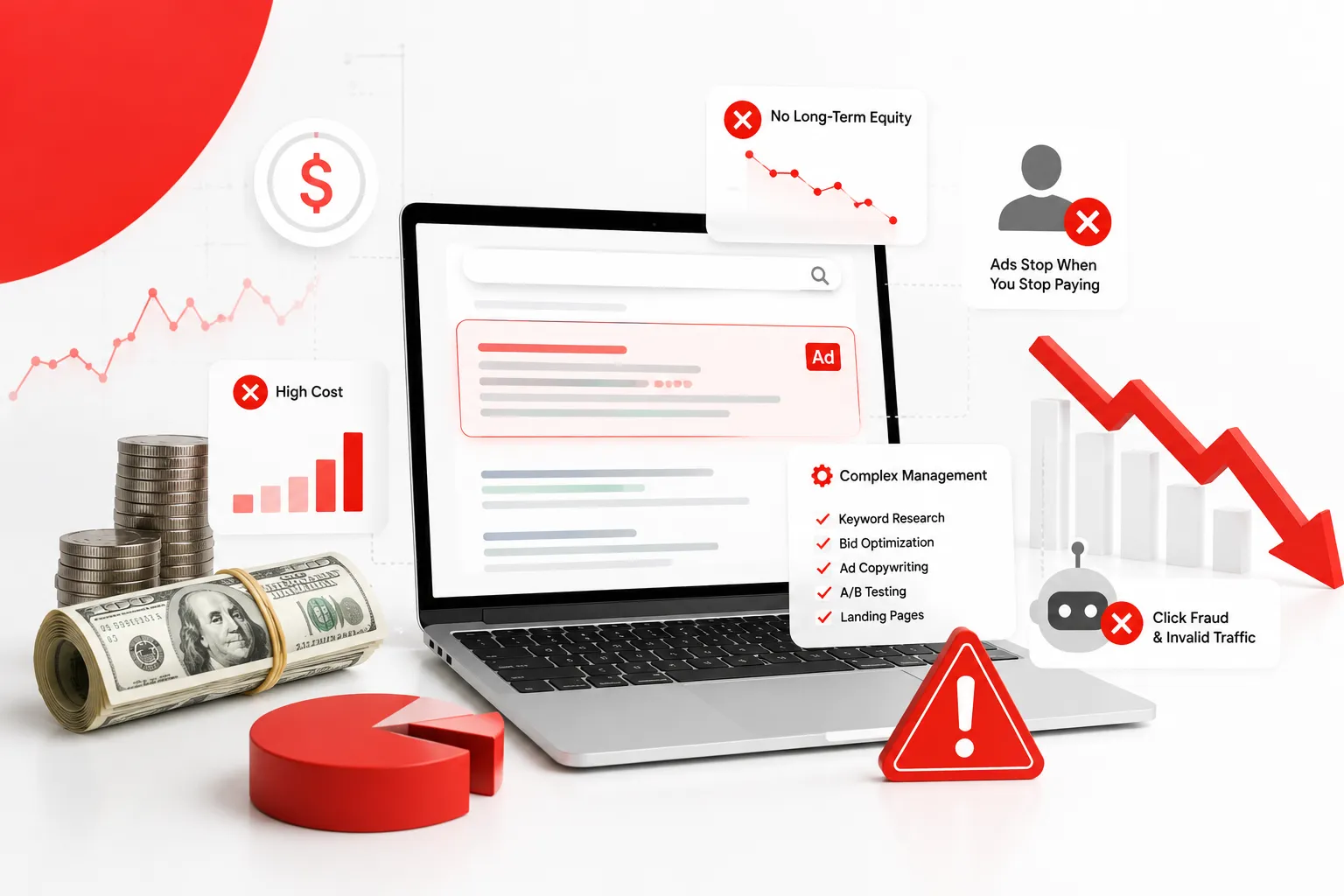
Any honest overview of the advantages and disadvantages of search engine marketing has to acknowledge the real challenges.
These drawbacks don't mean SEM isn't effective. They simply mean businesses need a clear strategy, careful monitoring, and realistic expectations before investing heavily in paid search campaigns.
The advantages and disadvantages of search engine marketing look different when compared directly to SEO.
But it is not all smooth scrolling. There are genuine challenges worth acknowledging:
SEO builds compounding organic traffic over time — but takes 6–12 months (sometimes longer) to see meaningful results. SEM delivers traffic immediately but requires continuous monitoring.
SEO wins on long-term brand authority and lower cost-per-acquisition over time. SEM wins on speed, time-sensitive campaigns, and testing which keywords convert before investing in content.
The smartest businesses don't choose one. They use SEM to get immediate results while building SEO momentum in the background. For teams focused on full-funnel growth, combining both with a strong social media presence creates a powerful, multi-channel strategy.
SEM tends to deliver strong ROI when:
It's harder to justify with very tight budgets, no search demand for your product, or no capacity for proper campaign management.
"The benefits of search engine marketing are real: speed, precision, measurability, and scale. But SEM rewards strategy, testing, and disciplined management — not just budget."
If you're ready to put your business in front of high-intent buyers and build a campaign that converts, now's the time.
Talk to BrandMake, we build strategic campaigns, trackable performance systems, and sustainable growth for your business.